
Driver Duties Toward Pedestrians in Oklahoma
April 22, 2026 | Posted in Uncategorized
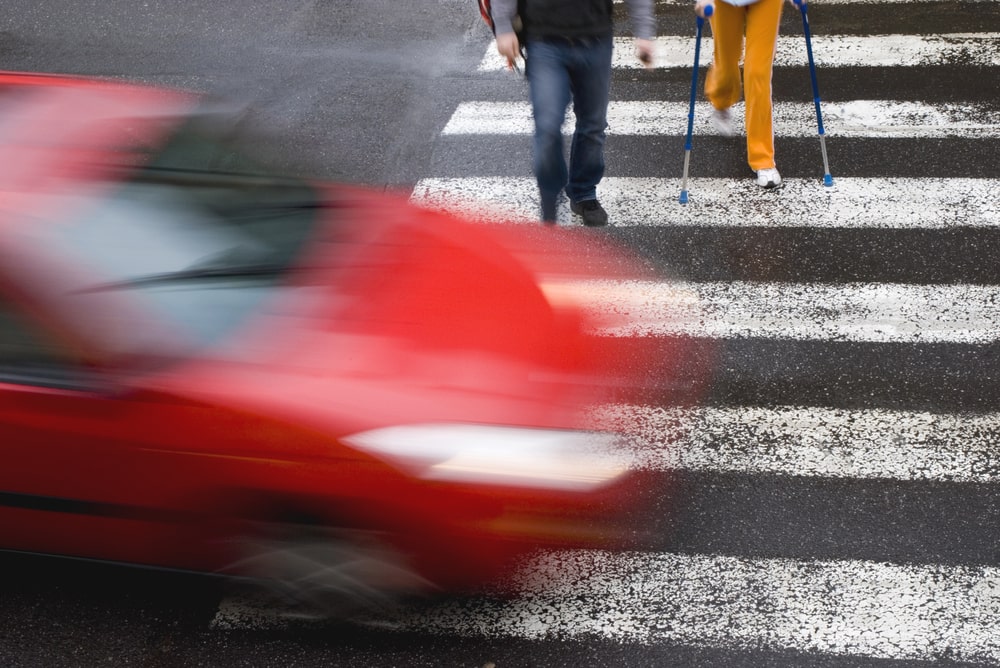
When a driver strikes a pedestrian, the immediate question is usually whether the driver was at fault. But fault doesn’t exist in a vacuum. It gets evaluated against a specific legal standard, and in Oklahoma, drivers carry clearly defined duties toward pedestrians that go beyond just “be careful.” Understanding what those duties actually are, and how violations create liability, is central to understanding how a pedestrian accident claim works.
The Basic Duty of Reasonable Care
Every driver in Oklahoma owes a general duty of reasonable care to everyone else on or near the road. That includes pedestrians. Reasonable care means operating a vehicle the way a prudent person would under the same circumstances, paying attention, following traffic laws, adjusting speed for conditions, and taking steps to avoid foreseeable harm.
When a driver fails to meet that standard and a pedestrian gets hurt as a result, the legal foundation for a negligence claim exists. The duty was there. It was breached. And the breach caused harm. That’s the basic structure of a pedestrian accident liability case.
Yielding to Pedestrians in Crosswalks
Oklahoma law is specific about crosswalk obligations. Under Oklahoma Statute Title 47, Section 11-502, drivers must yield the right-of-way to pedestrians crossing within a marked crosswalk or an unmarked crosswalk at an intersection. That duty applies regardless of whether a traffic signal is present.
Failing to yield to a pedestrian who is lawfully crossing is a clear statutory violation. When that violation leads to a collision, it creates a strong basis for establishing driver fault. The driver didn’t just make a judgment error. They violated a specific legal requirement designed to protect pedestrians.
The Duty to Exercise Special Care Around Vulnerable Pedestrians
Oklahoma law also recognizes that certain pedestrians require an elevated level of caution. Drivers have a heightened duty of care when they know or should know that a pedestrian may have limited ability to protect themselves, including:
- Children near schools, parks, or residential areas
- Elderly pedestrians who may move more slowly
- Pedestrians with visible disabilities or mobility limitations
- Pedestrians in marked school zones during active hours
When a driver fails to exercise that heightened level of care and a vulnerable pedestrian is injured as a result, that failure carries additional legal weight in a liability analysis.
The Duty to Avoid Passing Stopped Vehicles at Crosswalks
This one catches a lot of drivers off guard. Under Oklahoma Statute Title 47, Section 11-502, a driver approaching from behind a vehicle that has stopped at a crosswalk to yield to a pedestrian is prohibited from passing that stopped vehicle. The stopped car is a signal that a pedestrian is crossing. Passing it anyway creates a serious and foreseeable risk of striking that pedestrian.
This type of accident, where a pedestrian is struck by a second vehicle that passed a stopped car, is tragically common. And the liability is clear when the statutory requirement is this specific.
The Duty to Exercise Due Care Regardless of Fault
Oklahoma law goes a step further than just requiring drivers to follow specific rules. Under Oklahoma Statute Title 47, Section 11-504, drivers are required to exercise due care to avoid colliding with pedestrians on any roadway, to give audible warning when necessary, and to take proper precautions when observing a child or an obviously confused or incapacitated person.
That’s a broad obligation. It means a driver can’t escape liability simply by pointing out that a pedestrian was jaywalking or crossing outside a designated crosswalk, if the driver had the opportunity to avoid the collision and failed to take it.
How Driver Duty Violations Affect a Claim
When a driver violates one of these specific statutory duties, it strengthens a pedestrian’s injury claim in a meaningful way. Oklahoma follows a modified comparative fault system, where fault gets assigned as a percentage and compensation gets reduced accordingly. A clear statutory violation by the driver makes it harder for their insurer to push significant fault onto the pedestrian.
That said, insurers will still look for any pedestrian conduct that can be used to reduce their liability exposure. Common arguments include claiming the pedestrian crossed outside a crosswalk, entered traffic without warning, or was distracted at the time of the collision. Having a clear understanding of exactly which driver duties applied in your specific situation, and how they were violated, is essential to countering those arguments effectively.
A Norman pedestrian accident lawyer can evaluate the specific circumstances of your accident, identify which statutory duties the driver violated, and build a case that accurately reflects the legal obligations that were in place at the time of the collision.
What This Means for Your Case
Driver duties aren’t just background information. They’re the legal framework through which fault gets established and disputed in a pedestrian accident claim. Connecting the driver’s specific conduct to a specific statutory violation, and showing how that violation directly caused your injuries, is one of the most effective ways to build a strong liability case.
Wandres Law Injury and Accident Attorneys represents pedestrian accident victims throughout the Norman area. If you were struck by a vehicle and want to understand how Oklahoma’s driver duty laws apply to your situation, speaking with a Norman pedestrian accident lawyer is the right place to start.