
Oklahoma Crosswalk Laws and Pedestrian Claims
April 08, 2026 | Posted in Uncategorized
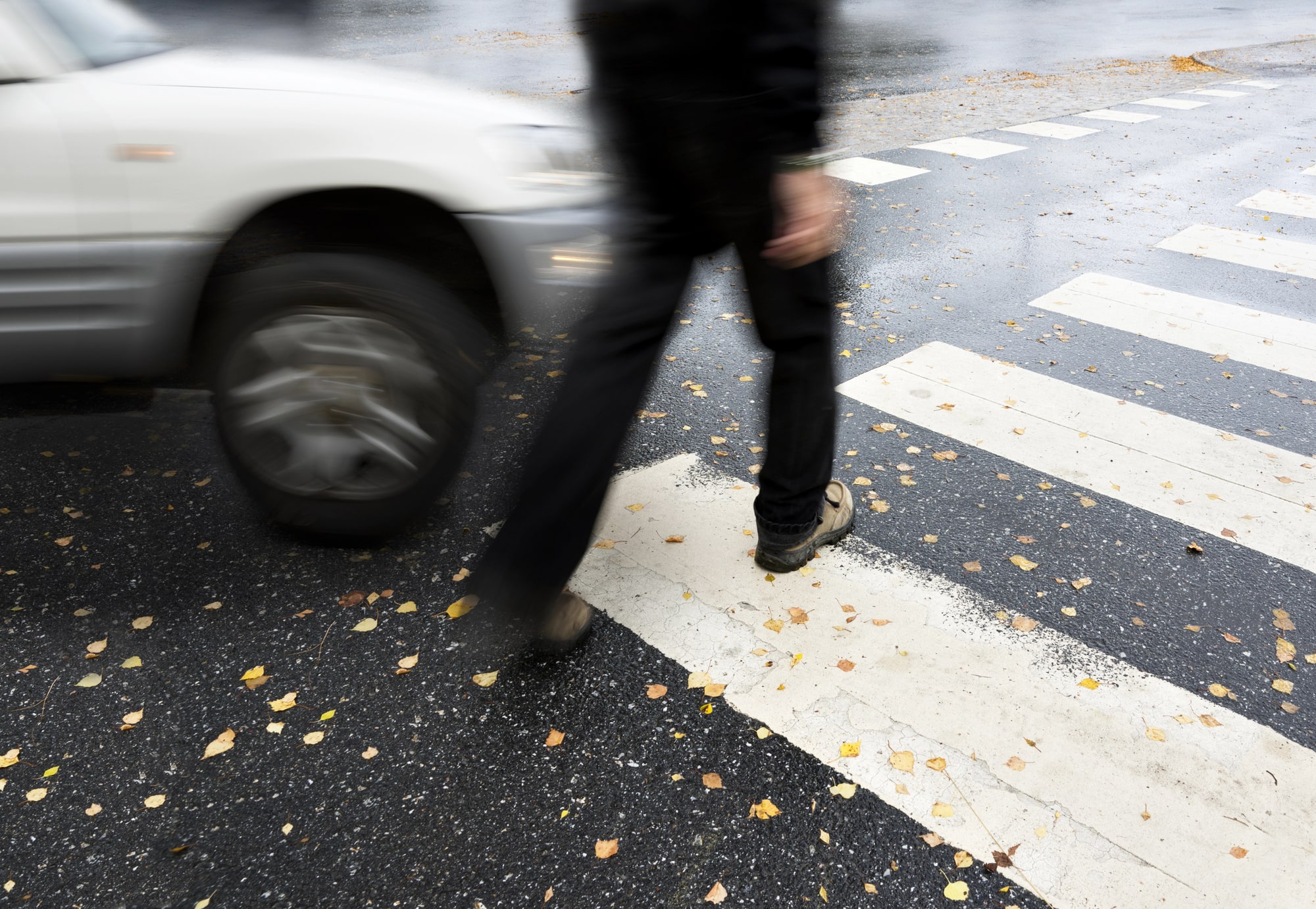
Being in a crosswalk feels like it should mean you’re safe. Legally protected. And in many ways, Oklahoma law does protect pedestrians crossing at designated locations. But being in a crosswalk doesn’t automatically make the driver 100% at fault if something goes wrong, and it doesn’t guarantee a straightforward path to compensation. How crosswalk laws actually apply to your claim depends on what both you and the driver were doing, what the evidence shows, and how Oklahoma’s fault rules come into play.
If you were hit by a vehicle while crossing the street in Claremore, understanding how these laws work is worth your time.
What Oklahoma Law Actually Says
Under Oklahoma Statute Title 47, Section 11-502, drivers must yield the right-of-way to pedestrians crossing in a marked crosswalk or an unmarked crosswalk at an intersection. That duty applies whether or not a traffic signal is present. When a pedestrian is lawfully in a crosswalk, drivers are legally required to stop and wait.
But the law places obligations on pedestrians too. You can’t step off a curb and walk directly into the path of a vehicle that’s already close enough to create an immediate hazard. And pedestrians are generally expected to use available crosswalks rather than crossing mid-block where crosswalk protections don’t apply. Both parties have responsibilities, and insurers will raise that point quickly when disputing liability.
Marked vs. Unmarked Crosswalks
Oklahoma law protects pedestrians in both marked and unmarked crosswalks, but the distinction matters in practice. A marked crosswalk has painted lines or other physical indicators on the road. An unmarked crosswalk exists by legal definition at intersections where sidewalks would naturally connect, even without any visible markings on the pavement.
Drivers are often genuinely surprised to learn that an intersection without painted lines still carries crosswalk protections. But don’t expect the insurance company to be surprised. They know the law, and they’ll look for any argument that you weren’t in a legally protected crossing zone. Knowing exactly where the collision occurred and having evidence that confirms it is an early and important piece of any pedestrian accident claim.
How Crosswalk Laws Factor Into Fault
Oklahoma follows a modified comparative fault system. Fault gets assigned as a percentage, and your compensation gets reduced by your share of responsibility. If you’re found 51% or more at fault, you can’t recover anything at all.
In pedestrian accident cases, insurers frequently try to build a comparative fault argument against the pedestrian by pointing to things like:
- Entering the crosswalk against a traffic signal
- Crossing outside a designated crosswalk area
- Stepping into traffic without giving drivers adequate time to stop
- Being distracted by a phone while crossing
- Wearing dark clothing at night without taking reasonable precautions
Even when a driver clearly violated right-of-way rules, expect the insurer to look hard for pedestrian conduct that reduces their liability. A Jenks parking lot accident lawyer can assess the specific circumstances of your crossing, evaluate how fault is likely to be distributed, and build a case that reflects what the evidence actually shows rather than what the insurer finds most convenient.
When Traffic Signals Are Involved
At signalized intersections, the rules get more specific and the liability picture can get clearer. A pedestrian crossing with a walk signal has a strong right-of-way position. A driver running a red light or failing to yield during a turning movement who strikes a pedestrian in that situation faces a straightforward liability argument.
Things get more complicated when signal timing is disputed, when a driver was making a legal turn but failed to check for pedestrians, or when the pedestrian entered the intersection late in the signal cycle. These scenarios happen more often than people realize, and how they resolve depends heavily on the specific evidence available.
What Evidence Makes the Difference
Crosswalk cases often turn on what happened in a matter of seconds. That makes evidence quality everything. The most useful documentation in these cases typically includes:
- Traffic camera or surveillance footage capturing the crossing and the collision
- Photographs of crosswalk markings, signal conditions, and the scene immediately after impact
- Witness accounts from people who saw both the pedestrian enter the crosswalk and the driver’s behavior before impact
- Police reports documenting the exact location and circumstances of the collision
- Medical records establishing the nature and severity of injuries sustained
Acting quickly matters. Footage gets overwritten fast, sometimes within 24 to 72 hours. Witnesses leave. Physical evidence at the scene changes. The sooner documentation begins, the stronger the foundation for your claim.
Getting the Right Support
Crosswalk cases can look simple on the surface and get complicated quickly once an insurer starts constructing a comparative fault argument. Having someone who understands how Oklahoma’s pedestrian protection laws apply, and how to counter the tactics insurers use to shift blame onto injured pedestrians, makes a real difference in how these cases resolve.
Wandres Law Injury and Accident Attorneys represents pedestrian accident victims throughout the Claremore area. If you were hit by a vehicle while crossing the street and want to understand how Oklahoma’s crosswalk laws affect your claim, speaking with a Jenks parking lot accident lawyer is the right place to start.