
The Coverage Many Drivers Accidentally Waive
August 18, 2026 | Posted in Personal Injury
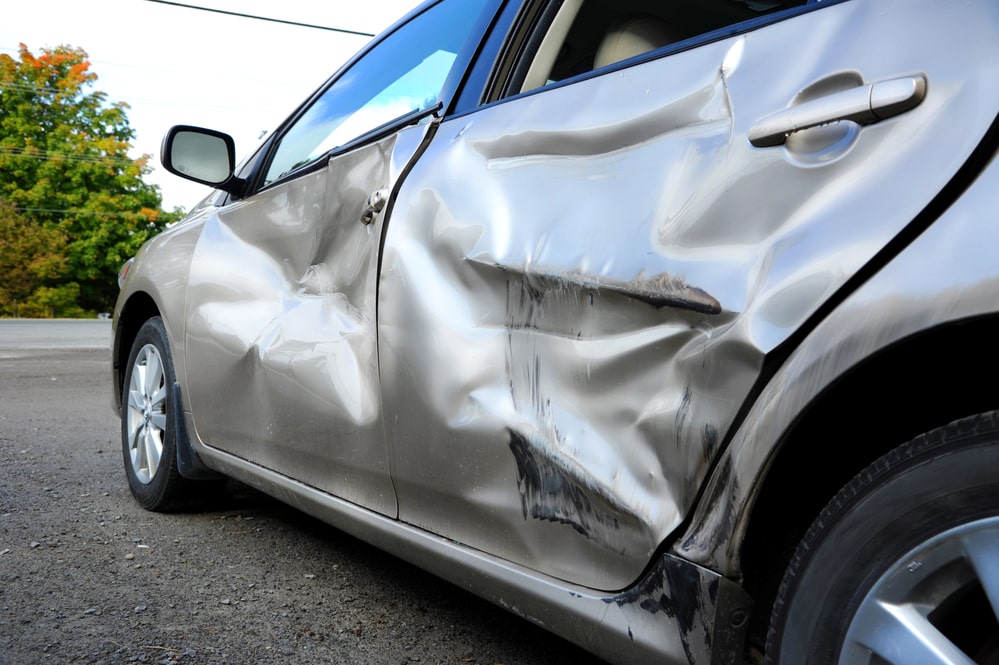
Getting hit by a driver with no insurance, or not enough insurance, leaves an injured person looking for another source of recovery. Oklahoma law tries to make sure that source already exists in most policies, but a common paperwork step can quietly remove it.
The Coverage Oklahoma Requires Insurers To Offer
Under 36 O.S. Section 3636, Oklahoma requires every auto insurer to offer uninsured motorist coverage as part of a liability policy. This coverage protects a driver when the at fault party has no insurance at all or insufficient coverage to fully compensate the injury.
Why This Coverage Often Gets Turned Down
Because insurers are only required to offer this coverage rather than automatically include it, a policyholder can reject it in writing. Many drivers sign this rejection without fully understanding what they are giving up, often during a routine policy signup where the form is presented alongside many other documents.
What Happens If The Rejection Was Never Properly Made
Oklahoma law requires this rejection to meet specific requirements to be valid, and a rejection that does not follow the statute’s requirements may not actually be effective. Wandres Law Injury and Accident Attorneys reviews rejection paperwork closely in every case where coverage seems to be missing. This means a policy that appears to lack uninsured motorist coverage on its face sometimes still provides it, depending on how the original rejection was documented.
Why This Coverage Matters So Much In Practice
An injured driver’s own uninsured motorist coverage generally becomes the primary source of recovery when the at fault driver has no insurance whatsoever. Underinsured motorist coverage serves a related but different purpose, stepping in when the at fault driver has some insurance but not enough to cover the full extent of the injury.
How Much Coverage Does Oklahoma Actually Require
When uninsured motorist coverage is included in a policy, it generally must match the policy’s own liability limits unless the policyholder specifically selected lower limits in writing. This means a driver carrying substantial liability coverage for others typically has that same level of protection for themselves.
What Documentation Helps Confirm Whether Coverage Exists
Because a policy’s declarations page does not always tell the whole story, gathering the right documents helps clarify what protection actually exists:
- A complete copy of the auto policy, not just the declarations page
- Any signed rejection or selection forms related to uninsured motorist coverage
- Records of any changes made to the policy since it was first issued
- Correspondence with the insurer about coverage selections
Applying This Rule To A Broken Arrow Injury Claim
Because a rejection of this coverage is not always valid, reviewing the actual paperwork behind a policy matters before assuming no coverage exists. A Broken Arrow personal injury lawyer can review a policy and its history to determine whether uninsured motorist coverage actually applies.
What To Do When The At Fault Driver Has Insufficient Coverage
When an at fault driver’s policy limits fall short of covering a serious injury, underinsured motorist coverage can make up the difference, provided the injured person’s own policy includes it. A Broken Arrow personal injury lawyer can help identify every available policy and pursue whichever coverage actually applies.
Many drivers assume they lack this protection simply because a rejection form exists somewhere in their file, without realizing that form may not have been valid in the first place. If you were hurt by an uninsured or underinsured driver in Broken Arrow, reach out to our office to go over your policy and coverage options.