
Understanding Oklahoma’s Modified Comparative Negligence Law After An Accident
November 17, 2025 | Posted in Uncategorized
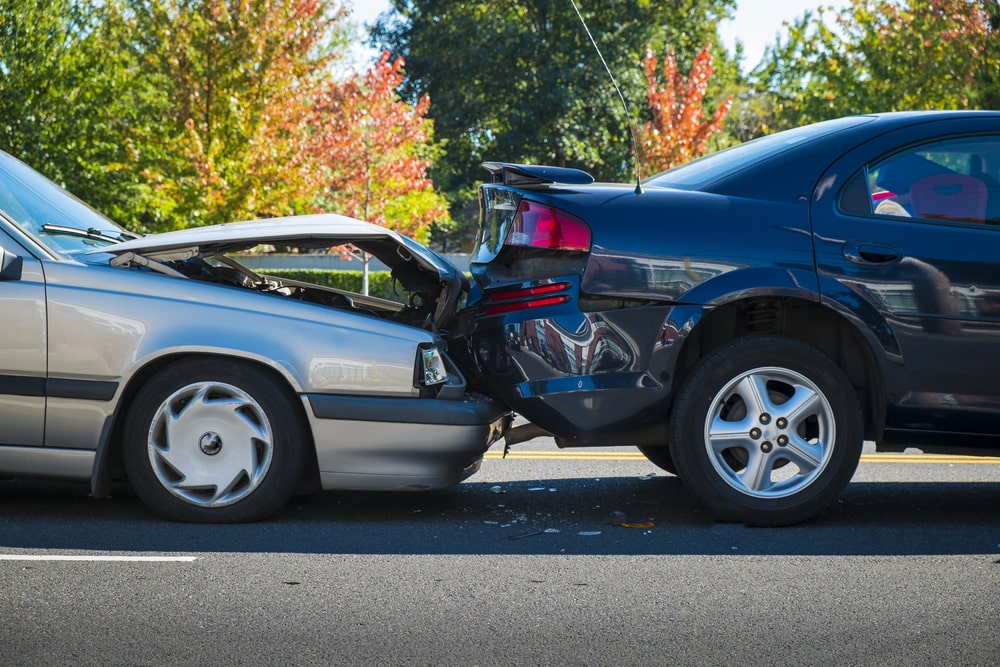
After a car accident in Oklahoma, one question comes up constantly: What happens if both drivers share some blame?
The answer isn’t simple. Oklahoma uses what’s called modified comparative negligence, and it can make or break your injury claim.
At Wandres Law Injury and Accident Attorneys, we explain this law to clients almost daily. It’s confusing. Insurance companies use it against you. And if you don’t understand how it works, you could walk away with far less compensation than you deserve or nothing at all.
What Modified Comparative Negligence Actually Means
Oklahoma law, specifically Title 23, Section 13, says that if you’re injured in an accident, your compensation gets reduced by your percentage of fault. But there’s a hard cutoff. If you’re more than 50 percent responsible for the accident, you can’t recover anything.
Let’s say you’re in a crash. The jury determines your claim is worth $100,000. They also find you were 20 percent at fault because you were slightly over the speed limit when the other driver ran a red light. Your award drops to $80,000. You lose $20,000 because of your share of the blame.
Now, imagine the jury decides you were 51 percent at fault. You get nothing. Zero dollars. It doesn’t matter if your medical bills are $50,000 or $500,000. Once you cross that 50 percent threshold, Oklahoma law bars you from recovering any compensation.
How Fault Gets Assigned In Accident Cases
Who’s at fault isn’t immediately clear. In some situations, such as a rear-end collision, the fault lies with the rear driver. That’s an open and shut case.
But most accidents are messier. Maybe you changed lanes without signaling, but the other driver was going 20 mph over the speed limit. Maybe you rolled through a stop sign, but the other car had a broken headlight and was hard to see. Insurance companies and juries have to sort through these details and assign percentages.
Evidence that influences fault determination includes:
- Police reports and officer observations at the scene
- Traffic camera footage or dashcam video
- Witness statements from people who saw what happened
- Physical evidence like skid marks, vehicle damage patterns, and road conditions
- Expert accident reconstruction analysis
- Traffic citation records and violation admissions
Insurance adjusters love to inflate your percentage of fault. They know that every percentage point they can pin on you reduces what they have to pay. If they can push you over 50 percent, they pay nothing.
Why The 50 Percent Rule Changes Everything
Other states use different systems. Some have pure comparative negligence, where you can recover damages even if you’re 99 percent at fault. Oklahoma doesn’t work that way.
The 50 percent bar creates high stakes in every accident case. Insurance companies will fight hard to prove you were 51 percent responsible, even when the facts don’t support it. They’ll scrutinize your driving, question your version of events, and look for any detail they can twist against you.
We’ve seen adjusters argue that a victim who got T boned by someone running a red light was partially at fault for “not being more aware” or “not driving defensively enough.” These arguments are often ridiculous, but they work if you don’t have strong evidence on your side.
How This Affects Settlement Negotiations
Insurance companies use comparative negligence as leverage during settlement talks. They’ll claim you were partially at fault, whether it’s true or not, to justify a lower offer.
Let’s say your damages total $75,000. The adjuster might tell you they think you were 40 percent at fault, so they’re offering $45,000. That sounds reasonable until you realize they just made up that 40 percent number. They’re hoping you’ll accept it without pushing back.
Or they might threaten to go to trial, warning that a jury could find you 51 percent liable, leaving you with nothing. This scare tactic pressures accident victims into accepting inadequate settlements.
A Jenks car accident lawyer can counter these tactics. We gather evidence that proves your actual level of fault, challenge the insurance company’s inflated percentages, and build a case that shows why their numbers are wrong.
What You Should Do To Protect Your Claim
Your actions immediately after an accident affect how fault is assigned later. Document everything. Take photos of vehicle positions, damage, skid marks, and traffic signs. Get names and contact information from witnesses. Call the police and make sure they file a report.
Don’t admit fault at the scene, even if you think you might have contributed to the accident. Anything you say can be used to increase your percentage of responsibility. Stick to the facts when talking to the police. Let the investigation determine who was at fault.
Be careful with the insurance company’s recorded statements. They’re looking for anything you say that they can use against you. You’re not required to give a recorded statement to the other driver’s insurance company, and you shouldn’t do it without legal advice.
Getting Help With Your Oklahoma Accident Claim
Modified comparative negligence can feel like a trap. You’re hurt, facing medical bills and lost wages, and now you’re being told you can’t recover compensation because you were partially at fault.
Don’t accept the insurance company’s version of events without questioning it. We work with people throughout the Jenks area who are dealing with disputed liability and comparative negligence arguments. Contact our team to discuss what happened in your accident and how Oklahoma’s fault rules will affect your ability to recover damages. We’ll evaluate the evidence, determine your realistic percentage of fault, and fight to maximize your compensation under the law.